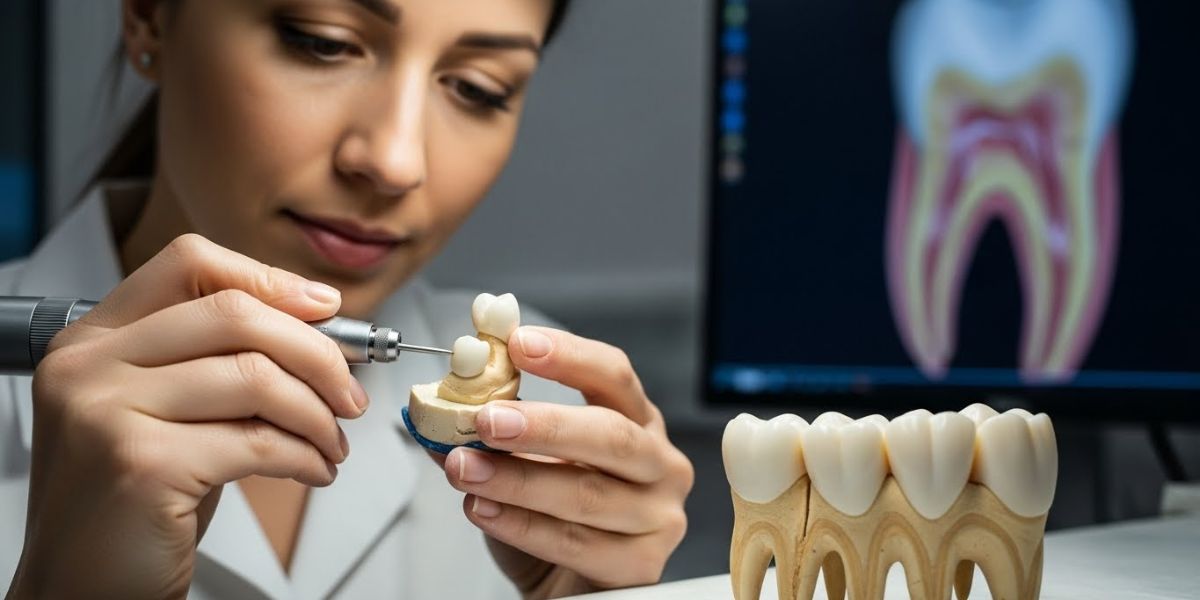
Tooth-friendly dentistry is transforming modern oral healthcare by changing how dentists think about restoring teeth. Instead of cutting away large portions of healthy tooth structure, this approach focuses on preserving what nature created and reinforcing it with materials that behave like natural enamel and dentin. Patients today demand treatments that last longer, feel more comfortable, and protect their long-term oral health. This demand has pushed into the spotlight as a science-driven, patient-centered solution.
Traditional dentistry often relies on aggressive preparation techniques that weaken teeth over time. In contrast, biomimetic dentistry respects the natural biomechanics of the tooth and aims to replicate them as closely as possible, offering a more conservative alternative within General Dentistry. This philosophy leads to stronger restorations, fewer complications, and improved overall dental outcomes. As awareness grows, more patients and practitioners are embracing this modern approach to achieve healthier, more natural smiles.
Table of Contents
What Is the Core Philosophy of Biomimetic Dentistry?
The foundation of Tooth-friendly dentistry lies in the principle of imitation. Dentists study how natural teeth respond to chewing forces, temperature changes, and daily wear, then design treatments that mimic these behaviors. This method allows restorations to flex, bond, and function in harmony with the remaining tooth structure.
Unlike conventional methods that prioritize speed or convenience, biomimetic dentistry emphasizes precision and preservation. Dentists remove only damaged tissue and strengthen the tooth using advanced adhesive techniques. This approach reduces the risk of cracks, fractures, and sensitivity, which are common issues in traditional restorations.
The Science Behind Tooth-friendly dentistry
Scientific research plays a vital role in the evolution of Tooth-friendly dentistry. Studies in material science, biomechanics, and adhesive technology support the idea that teeth restored with biomimetic principles perform better over time. Modern bonding agents create a strong seal between the restoration and the natural tooth, preventing bacterial leakage and secondary decay.
By respecting the stress distribution patterns of natural teeth, Tooth-friendly dentistry minimizes internal strain. This scientific understanding allows dentists to design restorations that behave as a unified structure rather than a patched repair. As a result, treated teeth retain their strength and integrity for many years.
Why biomimetic dentistry is a Positive Shift from Traditional Dentistry
Traditional dental practices often depend on crowns and extensive drilling, which can weaken the tooth. Tooth-friendly dentistry challenges this outdated approach by focusing on conservative treatments. Dentists reinforce teeth internally rather than covering them entirely, which preserves natural anatomy.
This shift benefits patients in multiple ways. Treatments feel less invasive, recovery times shorten, and the risk of future dental work decreases. By choosing biomimetic dentistry, patients invest in solutions that protect their teeth instead of sacrificing healthy structure.
Materials Used in biomimetic dentistry
Advanced materials enable the success of Tooth-friendly dentistry. Modern composites and ceramics closely resemble natural enamel and dentin in strength and flexibility. These materials bond securely to the tooth, creating a seamless restoration that functions like the original structure.
Dentists carefully select materials based on the specific needs of each tooth. Through this customized approach, Tooth-friendly dentistry ensures durability while maintaining a natural appearance. The result is a restoration that blends invisibly with the surrounding teeth.
How biomimetic dentistry Improves Patient Comfort
Patient comfort stands at the center of Tooth-friendly dentistry. Because dentists remove less tooth structure, procedures often cause minimal discomfort. Many patients report reduced sensitivity and faster recovery compared to traditional treatments.
By preserving the tooth’s natural nerve protection, Tooth-friendly dentistry minimizes post-treatment pain. This comfort-focused approach builds trust between dentists and patients, encouraging long-term oral care and preventive habits.
Long-Term Benefits of Tooth-friendly dentistry
One of the strongest advantages of biomimetic dentistry is longevity. Teeth restored using this method show improved resistance to fractures and wear. By maintaining the natural tooth structure, these restorations age more gracefully.
Over time, patients experience fewer repeat procedures and lower overall dental costs. Tooth-friendly dentistry supports sustainable oral health by reducing the cycle of repair and replacement common in traditional dentistry.
Biomimetic dentistry in Cosmetic and Restorative Treatments
Cosmetic dentistry benefits significantly from Tooth-friendly dentistry principles. Veneers, fillings, and bonding procedures achieve natural aesthetics while preserving tooth strength. The focus remains on enhancement rather than alteration.
In restorative cases, biomimetic dentistry excels at repairing damaged teeth without resorting to crowns whenever possible. This conservative approach ensures that cosmetic improvements do not compromise long-term oral health.
The Role of Technology in Biomimetic Dentistry
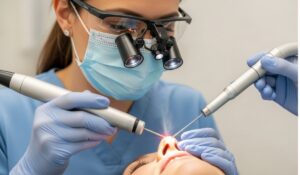
Technology enhances the precision of Tooth-friendly dentistry. Digital imaging, magnification, and advanced diagnostic tools allow dentists to detect problems early and plan minimally invasive treatments. These tools support accuracy and consistency.
With the aid of technology, Tooth-friendly dentistry continues to evolve. Dentists can now deliver highly customized care that aligns with the natural structure and function of each patient’s teeth.
Training and Expertise in biomimetic dentistry
Practicing Tooth-friendly dentistry requires advanced training and a deep understanding of dental science. Dentists must master adhesive techniques, material selection, and biomechanical principles. This expertise ensures safe and effective outcomes.
Patients benefit from practitioners who commit to continuous education in biomimetic dentistry. Skilled professionals apply these principles thoughtfully, delivering treatments that prioritize long-term health over short-term fixes.
Choosing the Right Dentist for Biomimetic Dentistry
Selecting a qualified dentist plays a crucial role in successful Tooth-friendly dentistry outcomes. Patients should seek professionals who emphasize conservative care and clearly explain their treatment philosophy.
A dentist trained in Tooth-friendly dentistry values collaboration and patient education. This transparent approach builds confidence and ensures that patients understand the benefits of preserving their natural teeth.
The Future Outlook of Biomimetic Dentistry
The future of Tooth-friendly dentistry looks promising as research and technology continue to advance. New materials and techniques will further enhance durability and aesthetics. This progress supports a shift toward preventive and regenerative care.
As more patients recognize the value of tooth preservation, biomimetic dentistry will become a standard rather than an alternative. Its focus on natural function aligns perfectly with modern healthcare values.
Conclusion
Tooth-friendly dentistry represents a powerful and positive evolution in dental care. By mimicking nature, preserving healthy tooth structure, and using advanced materials, this approach delivers stronger, longer-lasting results. Patients benefit from comfort, durability, and improved oral health.
Choosing biomimetic dentistry means investing in treatments that respect the natural design of your teeth. As dentistry continues to advance, this philosophy stands as a clear example of how science and nature can work together for better outcomes.
FAQs About biomimetic dentistry
Q1.What makes Tooth-friendly dentistry different from traditional dentistry?
Tooth-friendly dentistry focuses on preserving natural tooth structure and mimicking how real teeth function, rather than relying on aggressive drilling and full-coverage crowns.
Q2.Is biomimetic dentistry suitable for everyone?
Most patients can benefit from Tooth-friendly dentistry, especially those seeking conservative and long-lasting dental solutions tailored to their needs.
Q3.Does Tooth-friendly dentistry last longer than traditional treatments?
Yes, restorations created using Tooth-friendly dentistry often last longer because they reinforce the natural strength and flexibility of the tooth.
Q4.Is Tooth-friendly dentistry more expensive?
While initial costs may vary, Tooth-friendly dentistry can reduce long-term expenses by minimizing repeat procedures and preserving teeth.
Q5.How do I know if my dentist practices biomimetic dentistry?
A dentist who practices biomimetic dentistry will emphasize conservative treatments, advanced bonding techniques, and long-term tooth preservation in their care approach.
Shades Medical Center delivers care you can trust. Contact us today for healthier living.